01
Commit
Place a bird into a slot. Its power, habitat affinity, and behaviour all matter.
Cozy tactical card game
Real birds. Real behaviours. Tactical consequences.
Observe real birds. Learn how they behave — then turn what you learn into tactical play.
The player loop
Meet birds in the field, learn how they behave, and record what you discover. Those same behaviours shape what their cards can do in the Gambit.
01
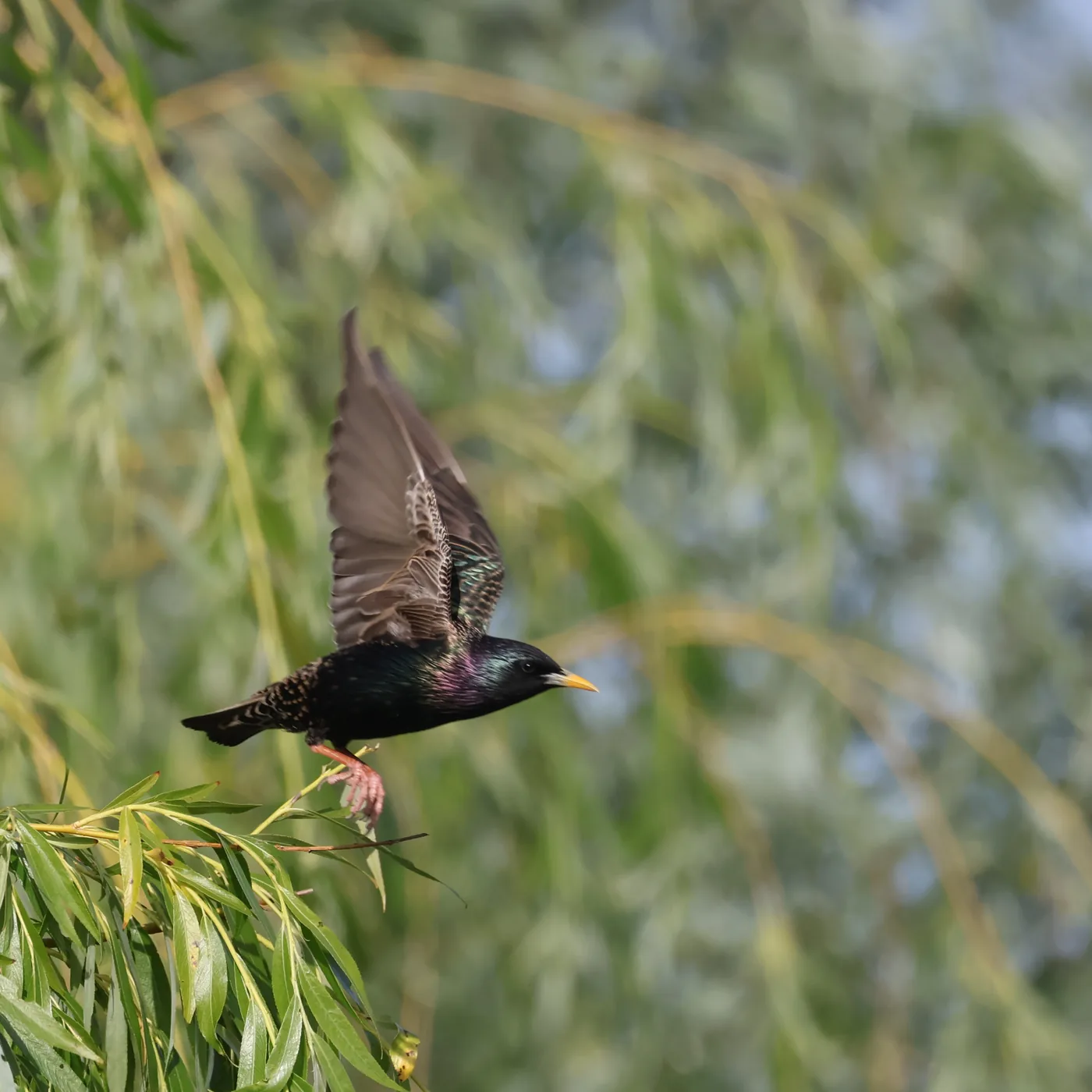
Find the European Starling in the field. Watch how it moves with other birds.
02
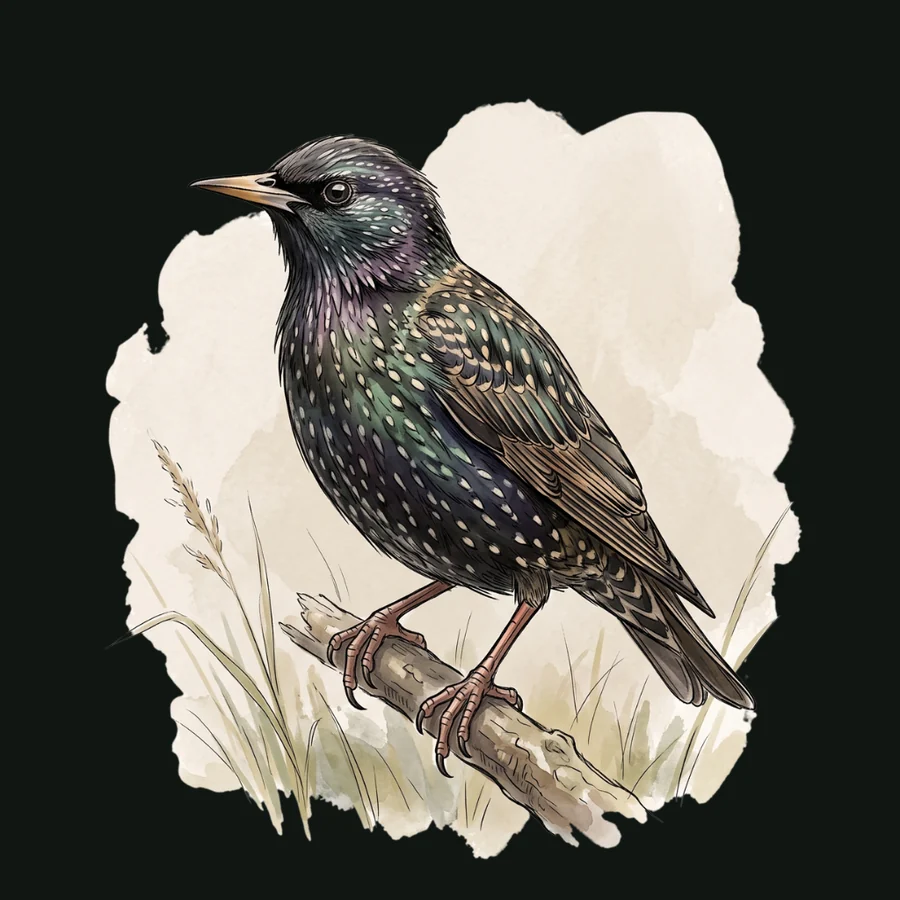
Starlings are social. In the Gambit, that behaviour becomes Flock.
03
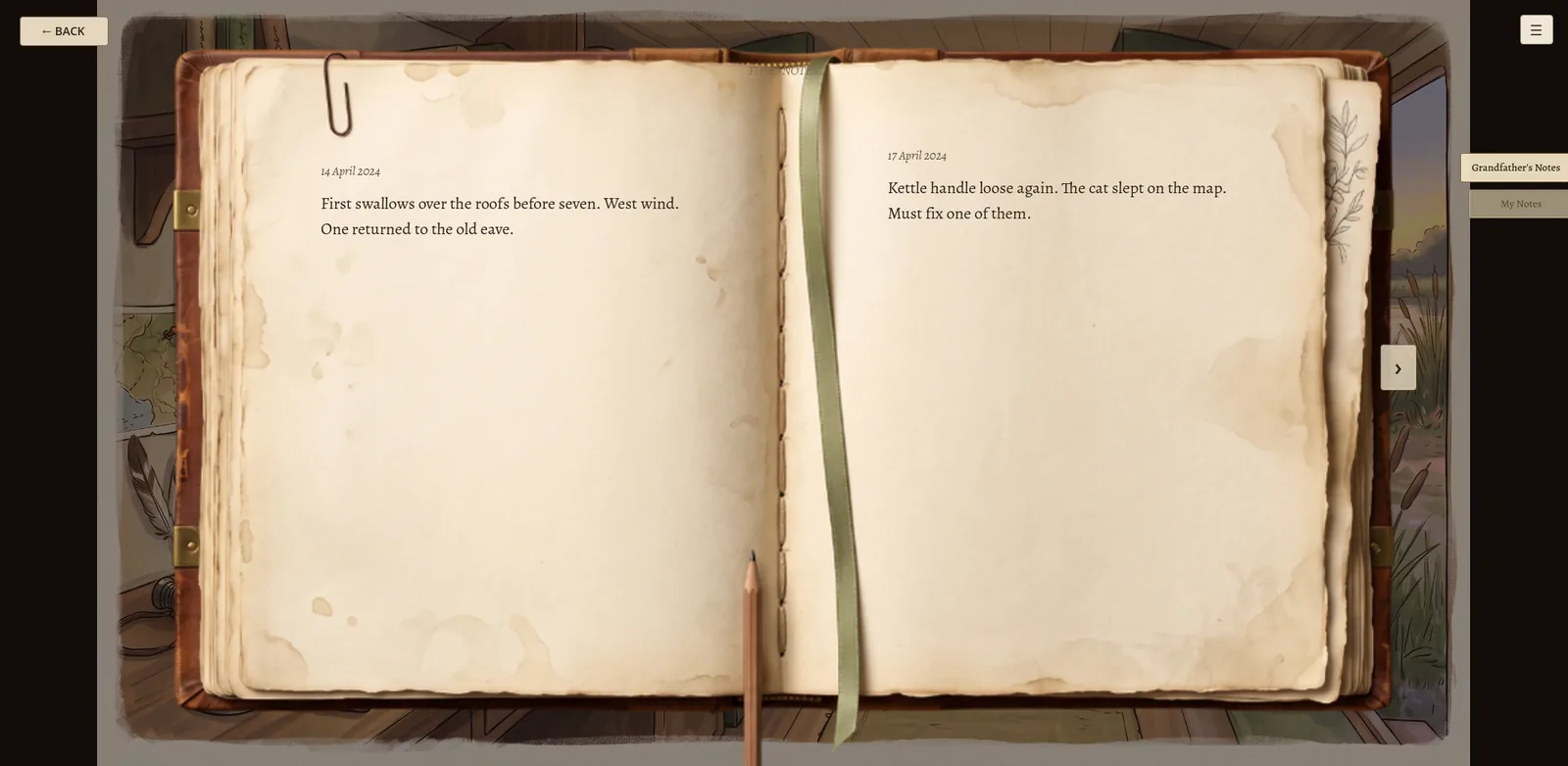
Your journal keeps the observations and behaviours you discover in the field.
04
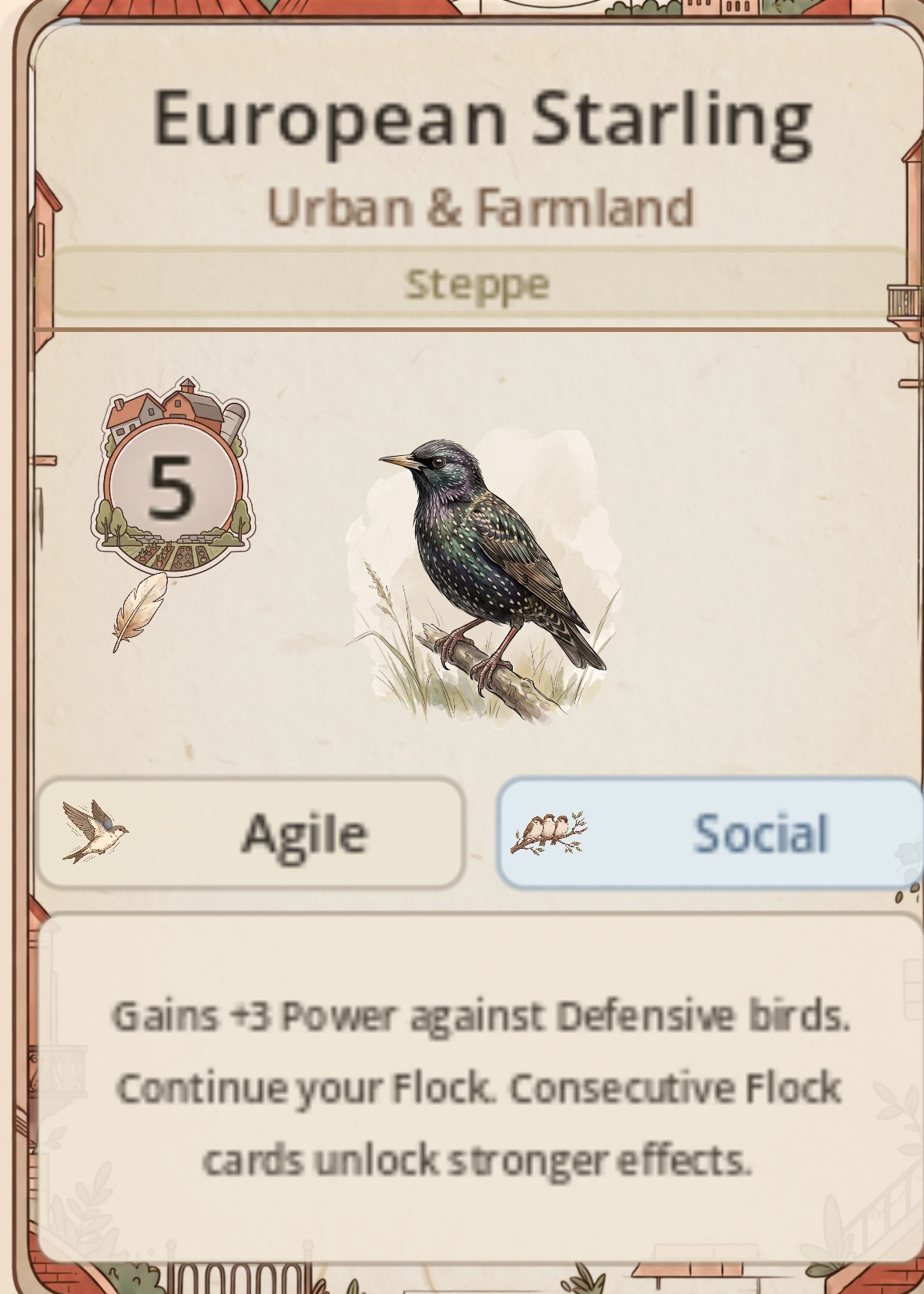
The Starling carries Social into the Gambit. Play Social birds together and the Flock can grow stronger.
05
Then another real behaviour can change the table. A Common Cuckoo can disrupt that Flock through Brood Parasitism.
What you learn about the bird becomes part of how you read the board.
Proof
The mechanic is not invented afterwards. A living bird, the behaviour recorded in the field, then the card that plays that identity.
Real behaviour
The flock's collective movement and return behaviour can be clearly recorded.
In the gambit
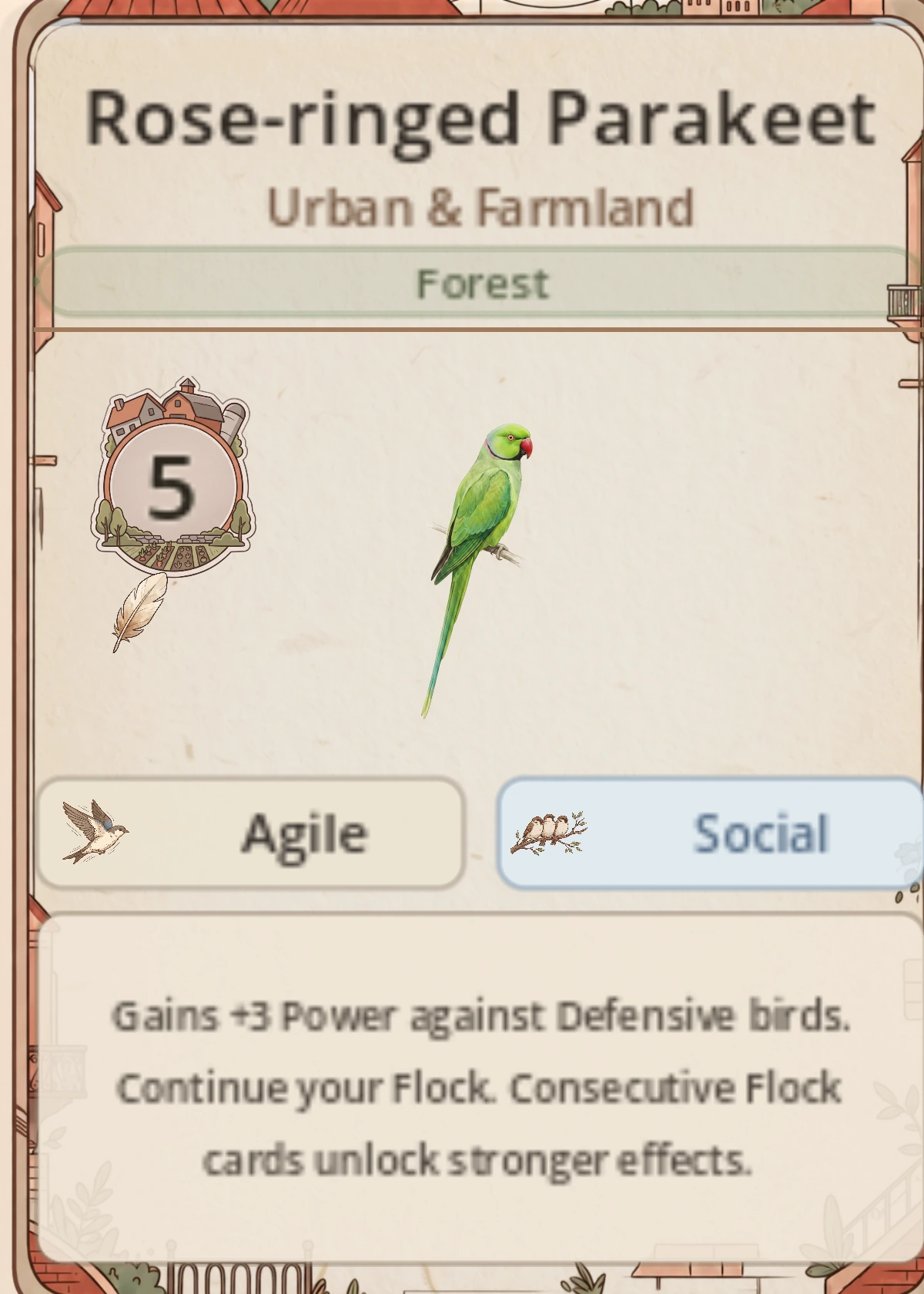
Gains +3 Power against Defensive birds. Continue your Flock. Consecutive Flock cards unlock stronger effects.
Photo: S. Cihan Sönmez
Playable card
The Gambit
Choose a bird, commit it to the table, then read what happens when both sides are revealed.
Place a bird into a slot. Its power, habitat affinity, and behaviour all matter.
Both plays resolve. Traits and behaviours can change the matchup — sometimes before raw power does.
See why the slot was won or lost, then make the next decision with that information in mind.
Atmosphere
The notebook made you stay longer.
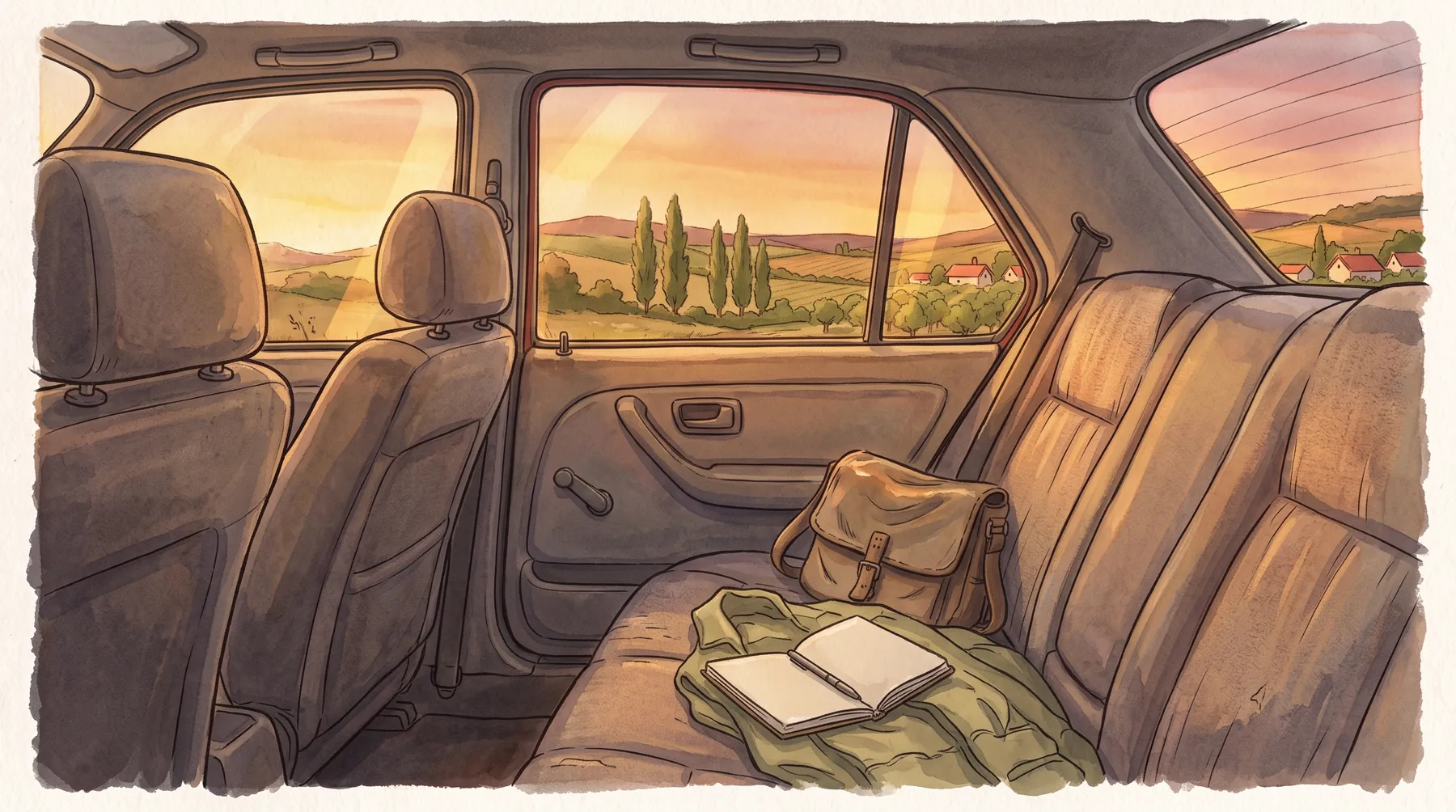
A bag on the back seat, a camp that smells of paper and kettle-steam, a grandfather’s field notes waiting to be understood. Birder’s Gambit is not a spoiler-heavy epic. It is the small courage of looking carefully — and of letting what you see change the journey.
The birds were already keeping their own records. You are only learning to read them.
The ground
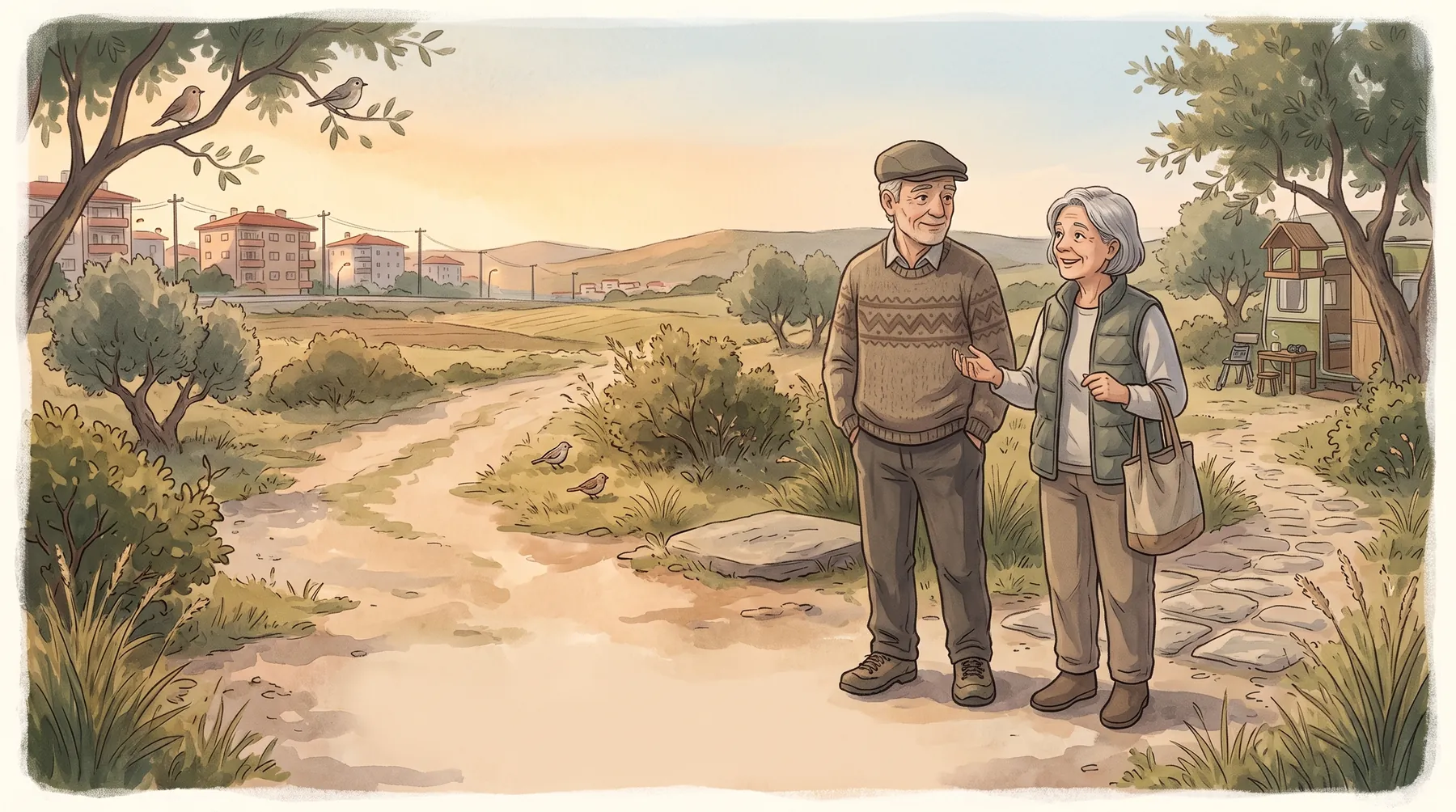
The camp stays the same. The window changes. Across six habitats the birds change, the observational rhythm changes, and so does the Gambit.
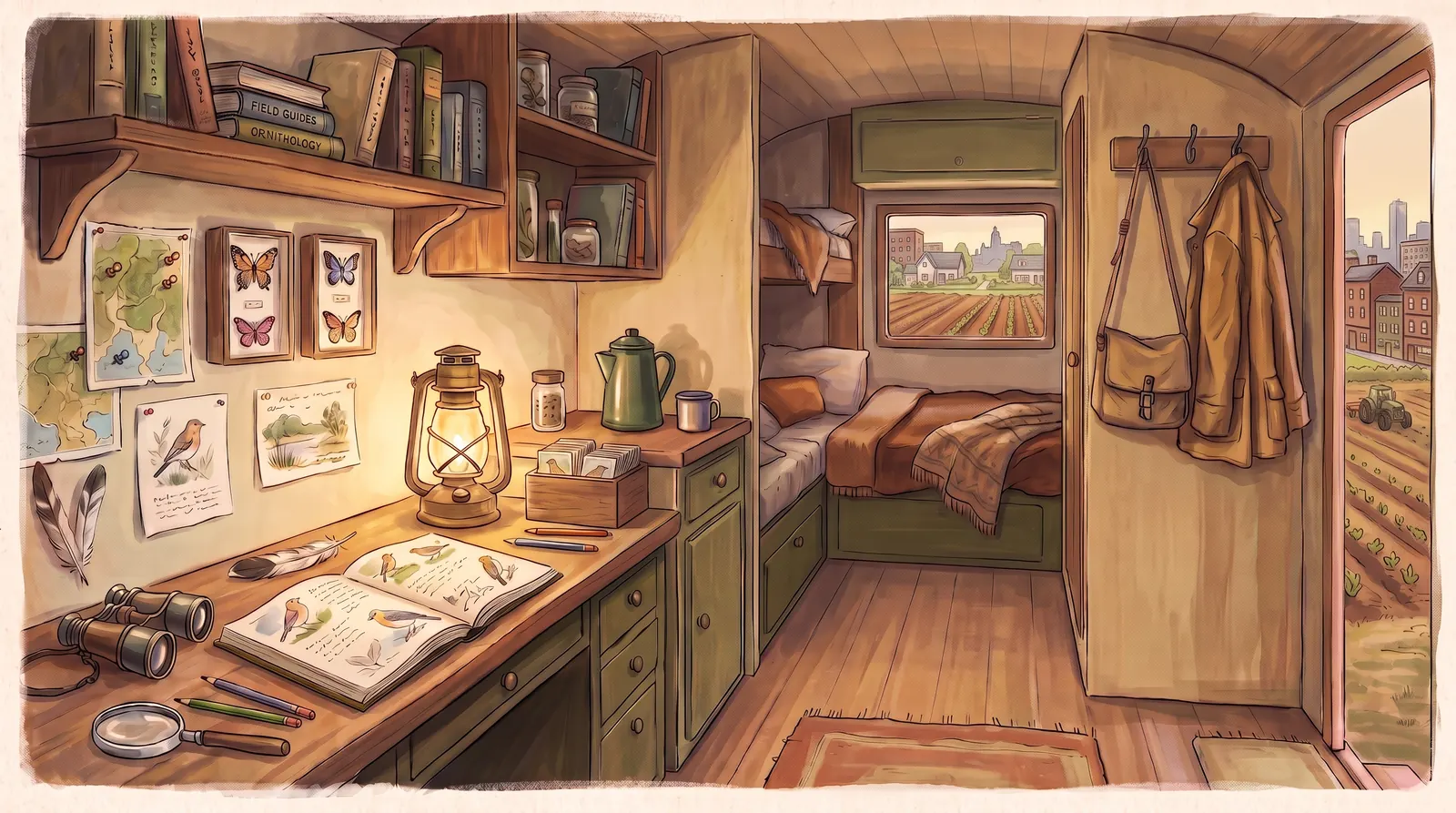
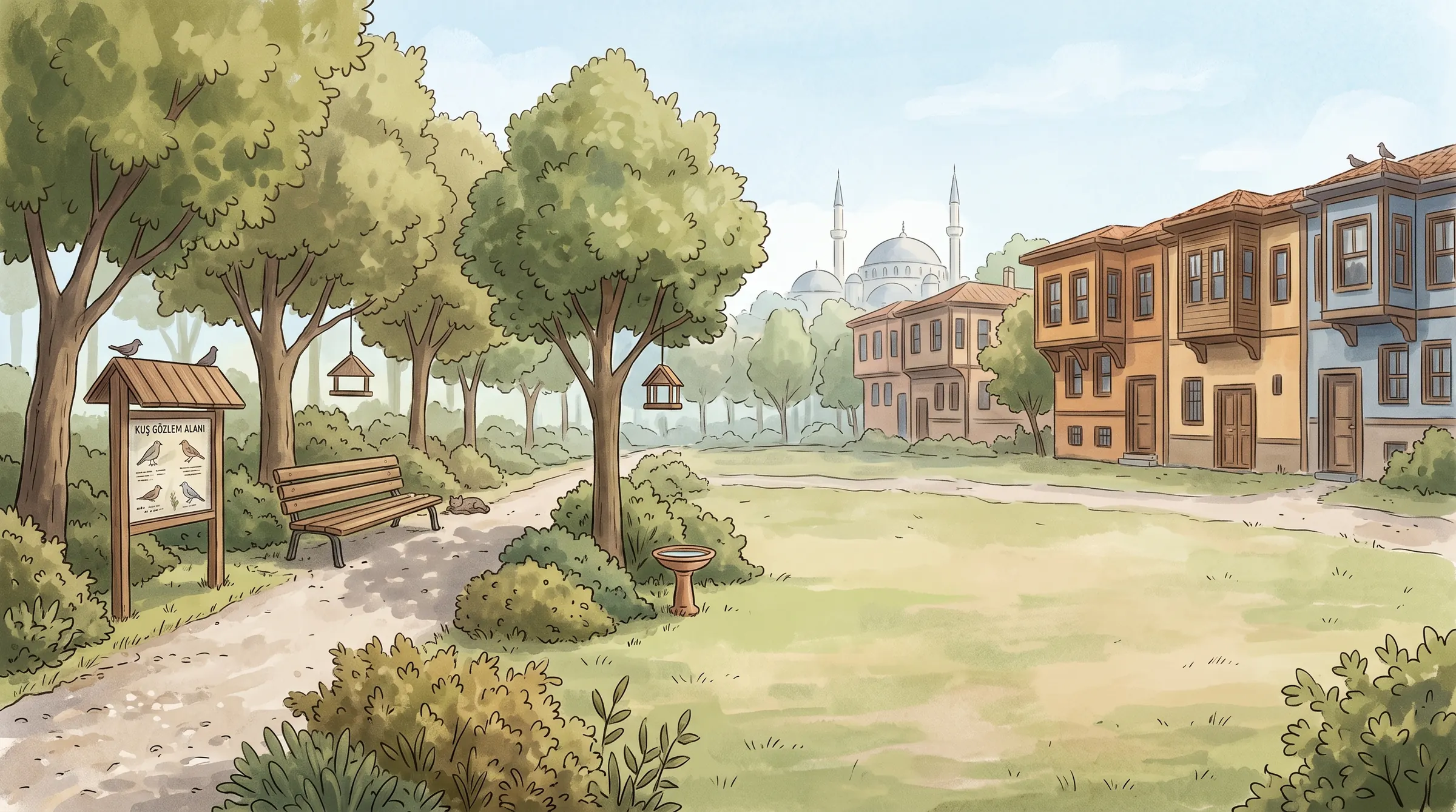
Parks, rooftops, and the tolerant flock. The city is not empty of wildness — it is simply closer.
OUR MANIFESTO
A bird should never be just a picture wrapped around a mechanic.
Real birds. Real behaviours. Tactical consequences.
Field notes
Production stills, maps and notes. A fuller field journal will land here as development continues.
Steam
Wishlist Birder’s Gambit on Steam.